
Repairs and Maintenance in Los Angeles: Navigating Responsibilities with a Property Management Company
Los Angeles is full of character, and so are its buildings. Over half of the housing stock was built before 1960, with construction slowing significantly soon after. That means many homes have older plumbing, wiring, and roofs needing attention. The city’s climate doesn’t make things any easier, with coastal salt air and inland heat each taking its toll on buildings and landscaping.
With conditions like these, repairs and maintenance never really stop. Staying ahead of problems takes planning, trusted contractors, and open communication—all things a property management company handles. If you’ve ever felt buried by the weight of tenants' rights, repairs, and maintenance, this guide is for you. We’ll discuss budgeting, preventative inspections, documentatio,n and more, showing you how property managers can save you time and money while you grow your portfolio.
How Does Property Management Make Repairs and Maintenance Easier?
Property management companies do most of the tasks a property owner would normally do, handling inspections, tenant communication, and compliance so that landlords don’t have to. In Los Angeles, that kind of help is more valuable than ever. The city’s mix of aging buildings, coastal climate, and complex regulations makes rental maintenance and repairs an ongoing job. Here’s what managers stay ahead of:
- Older homes: Los Angeles is full of older properties that often come with original plumbing, wiring, and foundations needing regular attention. Property managers coordinate proactive repairs to keep them safe and compliant.
- Salt, climate, and corrosion: The city’s variety of microclimates causes unique wear and tear. Along the coast, salty air corrodes metal and erodes paint, while inland heat cracks tiles, fades finishes, and dries out landscaping. Managers plan seasonal upkeep so the property looks good year-round.
- City inspection requirements: Los Angeles runs the Systematic Code Enforcement Program (SCEP), which requires multi-unit properties to meet safety and habitability standards. Property managers handle registration, scheduling, and follow-up work so owners stay compliant and avoid fines.
- Wind, storms, and drainage risk: Santa Ana winds and winter rainstorms can damage roofs, fences, and signage. Property managers schedule post-storm inspections and coordinate fast repairs before small issues escalate.
- Earthquake and structural risk: L.A. is ranked as the most at-risk area for earthquake-related damage. Managers arrange inspections, secure fixtures, and assist with retrofitting projects to ensure properties meet safety regulations.
- HOA regulations: Some communities are governed by HOAs with strict rules and hefty fines for non-compliance.
When you look at all those moving parts, it’s easy to see why landlords partner with professionals. A good manager keeps your property safe, compliant, and ready for anything Los Angeles throws at it.
Laying the Groundwork: The Property Management Agreement
Any successful partnership needs clear expectations from the start. A property management agreement outlines exactly how repairs and maintenance on rental property will be handled, answering the important questions before they become misunderstandings. It’s common for landlords to allow managers to fix small problems without waiting for permission, especially if they’re under a predetermined amount, like $500. Larger repairs almost always require owner approval and come with estimates, timelines, and photo documentation.
The agreement should also include expectations for:
- Communication: How will the property owner receive updates and how quickly? Text, email, or portal are common options.
- Routine upkeep: Who will handle recurring services like HVAC checks, pest control, and landscaping?
- Emergency response: What counts as an emergency and how will after-hours calls be managed?
- Tenant turnover: What tasks are required when tenants move out? Cleaning, painting, safety checks, and final inspections are among the usual requirements.
Setting these details up front helps ensure rental maintenance and repairs are done quickly, fairly, and within budget. It also makes life easier when city inspectors, tenants, or insurance companies need proof that maintenance has been handled responsibly.
Effective Communication
Property managers serve as the bridge between owners, tenants, and vendors, making sure everyone stays informed. Most companies use portals, mobile apps, and other forms of technology to prioritize tasks by urgency and streamline the process.
Tenants can log issues online, upload photos, and check the status of repairs. Owners can log in to approve work, view invoices, and see before-and-after updates. This way, everyone knows what’s happening, when it’s happening, and how much it costs. In a busy market like Los Angeles, where tenants have plenty of housing options, good communication often leads to higher satisfaction and better retention.
Documentation and Reporting
Los Angeles takes rental housing seriously, and that means owners need detailed records. With the Tenant Protection Act, CA’s Health and Safety Code, and SCEP inspections to worry about, documentation can mean the difference between a costly legal battle and peace of mind. Property management companies keep track of everything, including:
- Before-and-after photos
- Work orders and invoices
- Contractor licenses and proof of insurance
- Notices of entry and tenant communications
- Inspection reports and checklists
These documents prove that issues were addressed appropriately and that tenants’ rights weren’t violated. Thorough reporting also helps with long-term planning. Over time, managers can identify patterns, like a particular appliance brand that continues to break down. With that in mind, owners can budget smarter and prevent recurring issues.
Inspections, Routine Care, and Scheduled Maintenance
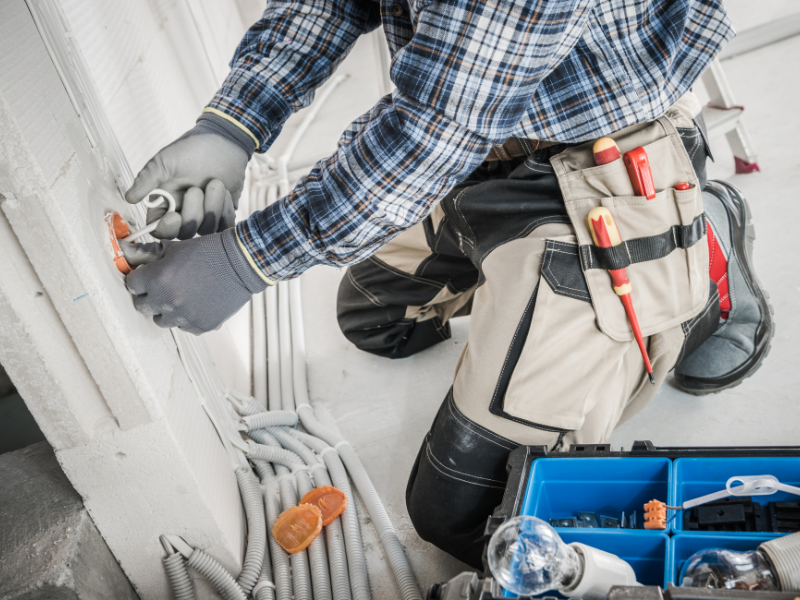
The most effective property managers are proactive about repairs and maintenance on rental property. They see the value in regular inspections and preventative care, understanding how these efforts keep smaller problems from growing.
Routine Inspections and Maintenance
Many property managers conduct inspections before move-in, during the lease, and again after move-out. Before entering, they always give tenants at least 24 hours of written notice, as required by California law. During inspections, they check for leaks, electrical issues, pest activity, broken fire detectors, and any wear and tear, documenting their findings with notes and photos. Small, routine maintenance tasks like gutter cleaning, filter changes, and minor patchwork are usually handled on the same schedule.
These visits allow managers to see whether the unit is being taken care of and if residents are following the terms of their lease. It also helps them distinguish between tenant-caused damage and normal wear and tear (like small nail holes or faded paint and worn carpets). This is important because landlords are not allowed to charge tenants for normal wear and tear. They can, however, use the resident’s security deposit to cover tenant-related damages.
Seasonal Inspections
Even though Los Angeles has mild weather, it still needs seasonal upkeep. Before summer comes, managers should service HVAC systems, replace filters, and check thermostats to ensure they’re functioning properly. In fall, they prepare for rain by clearing gutters, scheduling roof inspections, and sealing windows. Because L.A. has dry inland valleys and humid coastal areas, managers adjust their maintenance plans to each property’s location and needs.
Scheduled Maintenance and Compliance Projects
Some repairs can wait for the off-season, but others require advanced planning. Property managers handle both. Scheduled maintenance means tackling projects before they turn into surprises or noncompliance issues. Typical examples include:
- Seismic retrofits to strengthen soft-story buildings in line with city mandates
- Balcony and deck inspections, which are required every six to nine years under CA law, along with certain mandated repairs
- Energy-efficient upgrades, such as LED lighting or low-flow plumbing fixtures, can lower utility bills and make the unit more appealing to renters
- Stucco sealing, exterior repainting, or re-roofing, typically needed every 7-10 years, depending on exposure
- Waterproofing and drainage improvements for hillside or flood-prone areas
- HOA compliance tasks, like repainting exteriors, maintaining landscaping, or repairing shared walls and fences to match community standards
- Accessibility and code compliance projects, like handrail replacements, lighting upgrades, or walkway resurfacing
- Fire prevention projects, such as brush clearance, vent screening, and upgrading to Class A fire-rated roofing materials in high-risk zones. Landlords must maintain up to 100 feet of defensible space around their homes to reduce fire risk.
These projects are typically scheduled during the slow season so that tenants aren’t disrupted.
Responding to Emergency Rental Maintenance and Repairs
Emergencies can happen anywhere, but in Los Angeles, dense neighborhoods, older buildings, and hillside properties add unique risks. Property managers usually define an emergency as anything that threatens tenant safety, the structure of the building, or access to essential services. Think:
- Roof leaks during a heavy storm
- Electrical outages or hazards
- Broken locks, windows, or doors affecting security
- Fire, smoke, or water damage
- Gas leaks or carbon monoxide alarms
- Major plumbing backups or flooding
Coastal areas like Venice or Santa Monica deal with salt air and storm surges, while hillside communities such as Laurel Canyon or Beverly Glen face fire danger and mudslide threats. Local property managers know these patterns well. They’re available 24/7 with after-hours lines, trusted contractors, and on-call crews ready to handle it all within hours.
When emergencies strike, timing and communication are everything. A great property manager keeps everyone in the loop, arranges immediate service, tracks every move with detailed documentation, and follows up until things are back to normal. With a
Budgeting for Repairs and Maintenance on Rental Property
Los Angeles real estate isn’t exactly low-maintenance, and the costs can add up quickly if owners don’t plan ahead. Property managers help build realistic budgets based on each home’s condition, location, and repair history, because no two LA properties age the same. A good rule of thumb is to expect annual repair and maintenance costs around 1.5%–3% of a property’s value. In a high-cost market like Los Angeles, where labor costs are more expensive than ever, those numbers often lean toward the upper end, especially for older buildings or homes near the coast. Landlords should set aside money for:
- Ongoing upkeep: Landscaping, HVAC service, and pest control
- Planned projects: Painting, roof repairs, or plumbing updates
- Emergency funds: Floods, electrical issues, or unexpected damage
Property managers track every invoice, compare bids, and forecast long-term costs so owners can stay ahead instead of scrambling later.
Selecting Reliable Vendors for Repairs and Maintenance
One of the hardest parts of owning property is finding dependable plumbers, electricians, and other contractors. It's not just about who can do the work, but who can do it right, on time, and within budget. Property managers already have trusted vendors who understand local codes, neighborhoods, and even the quirks of LA traffic when scheduling repairs.
When hiring contractors, managers focus on:
- Credentials: Valid California licenses, insurance, and workers’ comp coverage
- Local experience: Knowledge of LA’s housing styles, hillside terrain, and city inspection processes
- Cost fairness: Multiple estimates from several companies to get both quality with value
- Contracts: Written terms covering scope, timeline, warranties, and pricing
- Dependability: Solid reviews, clear communication, and consistent follow-through
Strong vendor relationships lead to faster turnarounds, reliable work, and better pricing. That’s crucial in a market where delays can get expensive fast, and for property owners, that peace of mind is priceless.
Wrapping Up: Managing Rental Maintenance and Repairs in Los Angeles
In a city as big and complicated as Los Angeles, owning rental property is a balancing act. Every season brings something new to maintain, repair, or plan for, and having a property manager means you’re never doing it alone. They coordinate inspections, handle emergencies, communicate with tenants, and plan ahead so your property always meets local standards. Their work protects your building, your budget, and your reputation.
If you’ve ever felt overwhelmed by repairs and maintenance on rental property, a local management company like Evernest might be your best investment. We bring the knowledge, tools, and teamwork needed to keep your Los Angeles rental running smoothly. Reach out to our Los Angeles property management today to learn how we can help you get the most from your investment!


